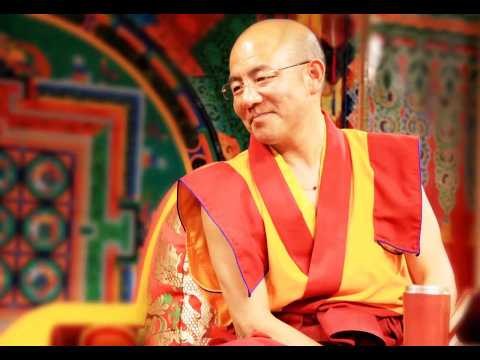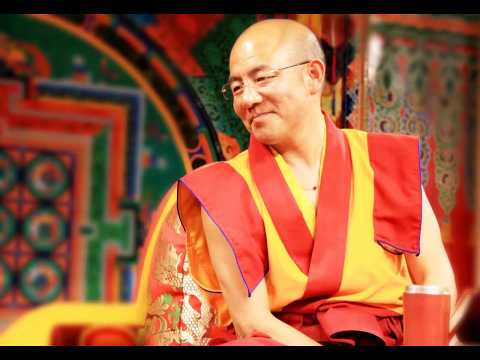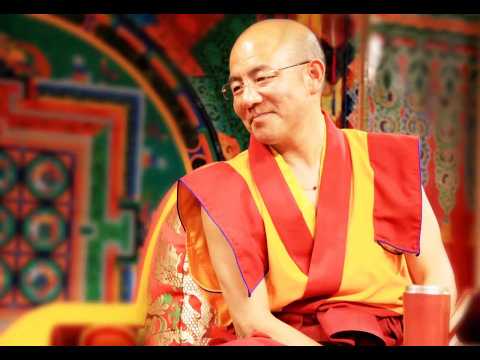
This is Lesson 34 from A Comprehensive Commentary on the Words of My Perfect Teacher, covering all four of the "four ways to contemplate impermanence": whatever is born is bound to die; whatever is stored up is bound to run out; whatever comes together is bound to come apart; and whatever is built is bound to collapse. The lesson opens by completing the first contemplation, stressing that at death one wanders alone in the intermediate state with only karma as a companion, and that no family member or possession can follow. It then draws on vivid historical examples — the fall of Emperor Wu of Liang, the ruin of the Old Summer Palace, the collapse of the World Trade Center, and the destruction of Samye Monastery, to show that no accumulation of wealth, no cherished relationship, and no magnificent structure can escape impermanence. The teacher shares a personal visit to his childhood home, moved by how completely the world of thirty years ago has vanished. The lesson concludes with the Kadampa four foundations — basing one's mind on the Dharma, Dharma on a humble life, humble life on the thought of death, and death on a remote and solitary place — urging practitioners to follow the example of past masters and practice sincerely from beginning to end.
Practice Guide
To practice the meditation related to this teaching, please refer to: