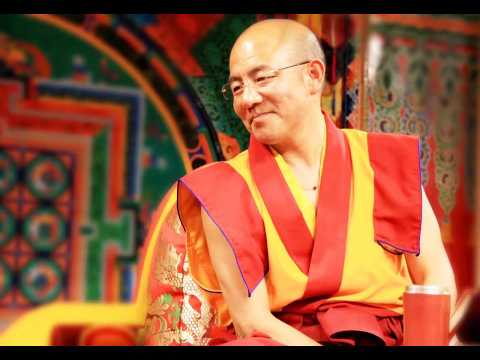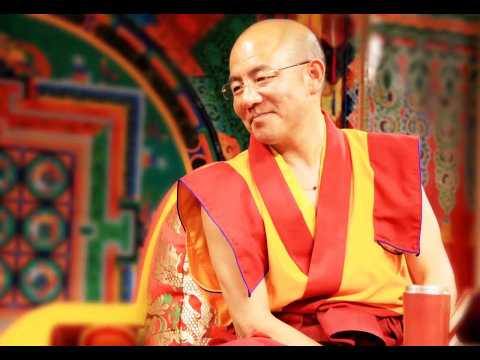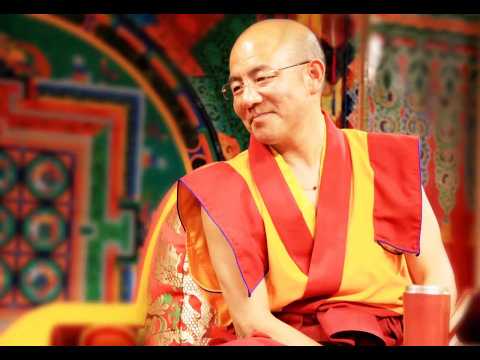
This is Lesson 33 from A Comprehensive Commentary on the Words of My Perfect Teacher, covering the first of the four ways to contemplate impermanence — whatever is born is bound to die — and the concluding summary of all four. The lesson opens with the teacher affirming that ngondro, though simple in words, must be lived and not merely studied, and that genuine renunciation arises only through sustained practice of impermanence. The story of Milarepa returning to find his mother's bones in a pile of rubble at his ruined home illustrates how impermanence, faced directly, can ignite profound renunciation and resolve. The teacher then examines each aspect of the phrase "whatever is born is bound to die" — exalted, mighty, rich, beautiful — drawing on historical figures from Hitler to Qin Shi Huang to Nina Wang, showing that no power or beauty survives death. He emphasises that at death only karma follows, and that even beloved teachers such as His Holiness Jigme Phuntsok Rinpoche departed this world entirely alone. The lesson closes with a reminder that recitation, lamp offerings, and prayer flags benefit the deceased far more than mortuary formalities.
Practice Guide
To practice the meditation related to this teaching, please refer to: