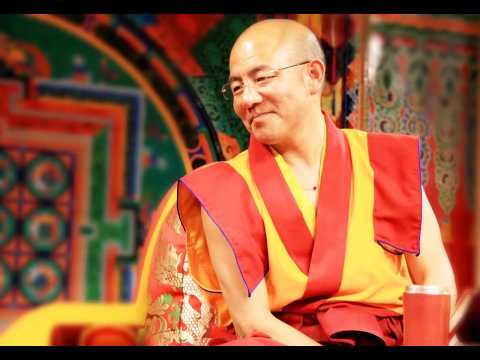
This is Lesson 32 from A Comprehensive Commentary on the Words of My Perfect Teacher, covering the fifth meditation on impermanence — contemplation through various examples and analogies. The lesson opens with Milarepa's eight similes for impermanence, from fading gold paintings to the crescent moon and the newborn child, each ending with the refrain: "Think, then you will practice Dharma." The teacher then traces the vast arc of cosmic impermanence through the rise and fall of a kalpa — from a golden age when humans radiated their own light, through successive periods of war, plague, and famine, down to the present degenerate era. He turns next to the seasonal cycle, describing summer's flowering meadows giving way to autumn's withering and winter's frozen earth, and notes that every season is a teacher of impermanence for those who look with awareness. The tragic story of Shah Jahan — who built the Taj Mahal for his beloved wife, only to die imprisoned, watching its distant reflection — brings the teaching to a personal human scale. Throughout, the lesson emphasises that impermanence is not merely a doctrine to be studied but a living reality visible in everything around us.
Practice Guide
To practice the meditation related to this teaching, please refer to: