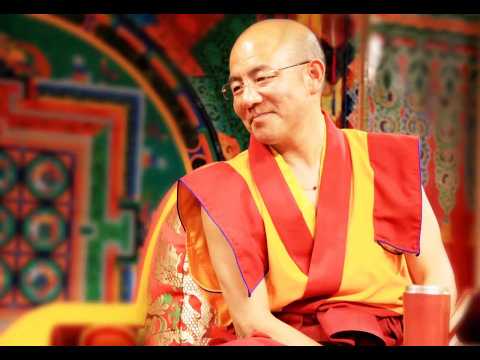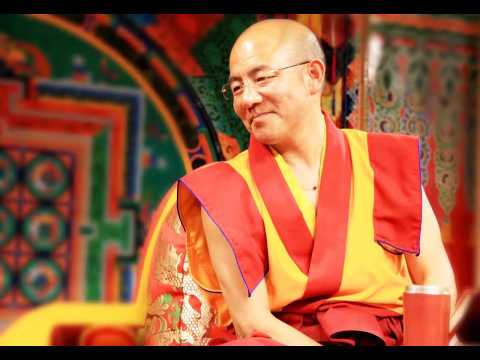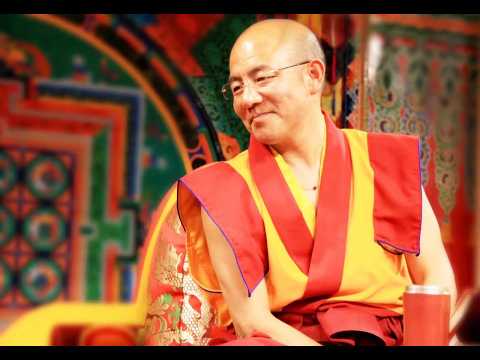
This is Lesson 46 from A Comprehensive Commentary on the Words of My Perfect Teacher, focusing on pretas suffering from specific obscurations within the chapter on "The defects of samsara." The teaching draws on vivid scriptural accounts — including the stories of Master Śroṇa encountering a beautiful female preta whose family members were condemned by their own jealousy and refusal to rejoice in merit, and Master Jetari meeting a preta who wandered twelve years surviving only on a monk's discarded mucus — to illustrate how karma operates with precision across lifetimes. The lesson outlines ten causes of preta rebirth, including stinginess, wrong views, and opposing the generosity of others, and encourages practitioners to examine their own conduct honestly. Practical guidance is offered on food-offering rituals shared across Tibetan and Chinese Buddhism, including specific mantras and the names of four Tathagatas. The teacher emphasizes that daily recitations in both traditions are equally valid expressions of the Buddha's teachings and should not be dismissed. The lesson concludes by urging students to meditate on preta suffering using the three supreme methods — generating bodhicitta at the outset, contemplating during the session, and dedicating merit at the close — and to make gradual, sincere changes in behavior rather than seeking lofty spiritual experiences without a proper foundation.
Practice Guide
To practice the meditation related to this teaching, please refer to: